Author Archives: Claire Dorsey

🍒Cherry PYO Tips

Cherry Season is a short window usually beginning in early June and going to early July; however, the PYO window can be anywhere from 1-3 weeks depending on the crop. Watch the website!

Rules

  • Do NOT throw the berries.
  • Children must be monitored at all times.
  • As with other fruit, sampling is OK, but gluttony is theft.  We want you to know what you are picking, but please do not eat more than a few. 
  • Do not wander to other fields.  Only pick the fruit that is advertised as being ripe.
  • It is OK to sit a short while and enjoy our farm.  But please understand that we are not a park, and need to cover our costs by selling food.

How to Pick the Best Berry!

When picking sweet (Bing type) cherries:

  • Color: Choose cherries that are deep dark red or almost mahogany, as darker cherries are usually sweeter and riper.
  • Firmness: Pick cherries that feel firm and plump, not soft or mushy.
  • Stems: Cherries may last a little longer if picked with the stem. But it doesn’t make much difference.
  • Skin: Avoid cherries with wrinkles, splits, or rot, and choose ones that are smooth and shiny.
  • Size: Larger cherries are often sweeter and juicier because they had more time to mature on the tree.

When picking Montmorency (sour) cherries:

  • Color: Pick cherries that are bright to deep red, since fully red fruit is ripe and ready to harvest.
  • Firmness: Choose cherries that feel firm but still slightly tender, not hard or mushy.
  • Stems: Many Montmorency cherries are harvested without stems, so focus more on fruit quality than the stem.
  • Skin: Look for cherries with smooth, shiny skin and avoid any with splits, wrinkles, or bruises.
  • Ease of Picking: A ripe Montmorency cherry will come off the tree easily with a gentle pull.

After Picking Care

  • Keep Them Cool – Cherries should be cooled as soon as possible after picking, ideally placed in a refrigerator within a few hours to slow down spoilage.
  • Don’t Wash Right Away – Only wash cherries right before eating or using them, because extra moisture during storage can cause them to spoil faster.
  • Store in Refrigerator – Keep cherries in a breathable container or loosely covered bowl in the fridge, where they can stay fresh for about 5–7 days.
  • Remove Damaged Fruit – Sort through your cherries and remove any soft, bruised, or moldy ones, since they can cause the rest to spoil more quickly.
  • Keep Stems On (If Present) – If the cherries still have stems, leave them attached, as stems help the fruit stay fresh longer.

How to Freeze Your Cherries

  1. Sort the cherries, remove any soft, bruised, or damaged cherries so only the best fruit is frozen.
  2. Wash and dry them, rinse them under cool running water and spread them over a towel until they are completely dry.
  3. Remove the stems and pit, if you plan to use them for baking and cooking later.
  4. Pre-freeze on a tray, spread the cherries in a single layer on a baking sheet so they are not touching.
  5. Allow them to freeze until they are completely frozen, around 2-4 hours.
  6. Transfer them to a freezer bag or air tight container.
  7. Label and store them for up to 10-12 months!

🌻Flower PYO Tips

PYO Flowers is lovingly run by Abby Shaw, Barron’s second daughter. She’s been growing flowers since she was little and still does it all herself! Each year she adds new varieties, but her favorites, zinnias and sunflowers remain the stars of the field.

Zinnias – mid-summer (June or July) until the first hard frost in fall

Sunflowers – late June to September depending on the year. Watch the website!

Rules

  • Please handle all flowers gently, avoid damaging plants.
  • Fill your provided mason jar, but do not overfill.
  • Use your picking tools carefully and safely.
  • Children must be supervised at all times.
  • Please stay within designated picking areas and only harvest the flowers available that day.
  • You’re welcome to relax and enjoy the farm briefly! However, as a working farm (not a public park), we appreciate your support through purchases to help us keep things growing.

Instructions:

  1. Decide whether you’d like to pick both zinnias and sunflowers, or just one type of flower.
  2. Grab a pair of scissors, sunflowers may require loppers, which can be found in the field or requested from a staff member.
  3. Choose your picking container: Mason jar for zinnias and bouquet flowers & white “Shaw” bucket for sunflowers
  4. Follow the directions to the field and enjoy your time in the sun!

⬛🟥Bramble PYO Tips

Red and Black Raspberries and Blackberries

Raspberry season part ONE starts the second week of June and runs through July. Blackberry season starts mid July and runs through August. Raspberry season part TWO starts in September and some years runs all the way until frost in late October.

Rules

  • Do NOT throw the berries.
  • Children must be monitored at all times.
  • As with other fruit, sampling is OK, but gluttony is theft.  We want you to know what you are picking, but please do not eat more than a few. 
  • Do not wander to other fields.  Only pick the fruit that is advertised as being ripe.
  • It is OK to sit a short while and enjoy our farm.  But please understand that we are not a park, and need to cover our costs by selling food.

Know the difference between Black Raspberries and Blackberries.

IMPORTANT! How to Pick the Best Berry!

Red/Black RASPBERRIES

  • Make sure berry is deep and even in color (red, black, or golden depending on variety).
  • If you have to give it a tug, it’s not ripe yet; it should easily fall off by your gentle touch.
  • Avoid squeezing, they are delicate.
  • Unless using for juice/jam, do not stack them deeply in your container.
  • Keep them cool and dry once picked.
  • Picking early in the morning when berries are cool and firm will help them to not bruise.
  • If picking in heavy sun, keep your picking container in a shady spot to preserve the berries.

BlackBERRIES

  • Make sure berry is fully black (no red or light coloring).
  • The ripest berries will have the largest drupels (the “balls” that make up the berry).
  • Gently pull, if they are fully ripe then will easily pop off.
  • Avoid squeezing, they are delicate.
  • Keep them cool and dry once picked.
  • Picking early in the morning when berries are cool and firm will help them to not bruise.
  • If picking in heavy sun, keep your picking container in a shady spot to preserve the berries.

After Picking Care

  • Get them into a fridge as soon as you are able.
  • Don’t wash them right away, wash them as you are going to eat them. Washing adds moisture, which encourages mold, and moisture isn’t easily dried on these berries.
  • Keep them dry in a ventilated container within your fridge.
  • Try to use a shallow container, if you don’t have one put a paper towel in between the layers of berries.
  • Our berries are bred for taste, not shelf life. Berries will stay fresh in the fridge for 2-3 days, afterwards you may need to make jam 😉

Freezing Instructions

  1. You may wash them now that you have decided to freeze them. Allow to dry.
  2. Pull off an stems or crowns that are still attached to any of your berries.
  3. Then, lay them out on a baking sheet, make sure they aren’t touching.
  4. After that, place the baking sheet in a freezer overnight.
  5. Finally, scoop them into a plastic bag or container of your choosing.

Now your berries are ready for smoothies, pies, jam, and more all year long!

🎃Pumpkin PYO Tips

Our Pumpkin Season runs from mid to late September all the way through November. HOWEVER our PYO only runs every Saturday in October, 8:00am to 4:30pm. Tractors are on a constant rotation so they come around every 10-15 minutes.

General Rules

  • Make sure you have PRE-PAID for a PYO ticket (a.k.a. a pumpkin sticker). Tickets are sold at the register.
  • Do NOT smash or harm the pumpkins.
  • Children must be monitored at all times.
  • Use the clippers/shears properly and safely.
  • Red hand wagons are meant for pumpkin transportation not children transportation.
  • Do not wander to other fields.
  • It is OK to sit a short while and enjoy our farm.  But please understand that we are not a park, and need to cover our costs by selling food.

Rules for Hayride/ Wagon Ride

  • Do not enter or exit the wagon unless directed to do so by the driver.
  • Please stay seated for the duration of the ride.
  • Keep arms and legs inside the wagon at all times.
  • Supervise your children.
  • Follow any directions given by staff or the driver.

Disclaimer for Hayride/Wagon Ride:

For everyone’s safety and enjoyment, wagon rides are a farm activity and include natural bumps and movement. By riding, you agree to ride at your own risk, and the orchard is not responsible for injury or loss.

Picking Your Pumpkin!

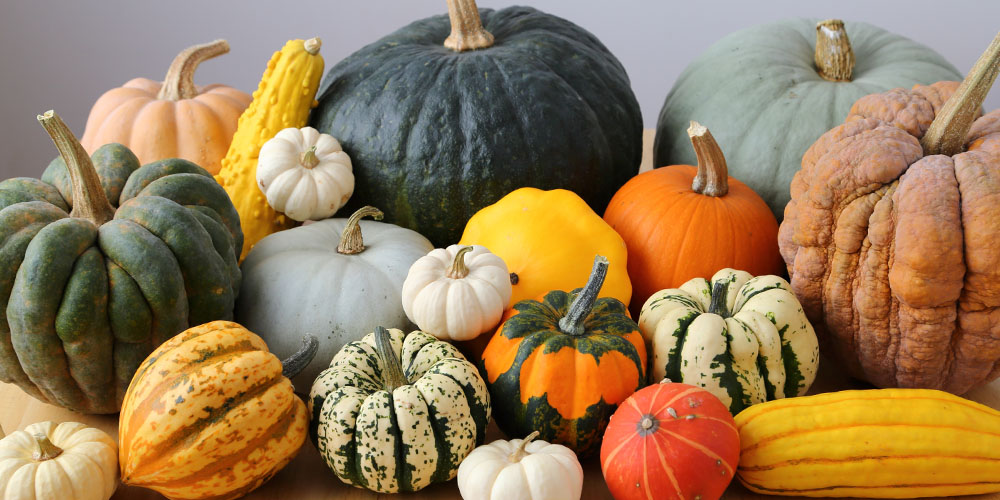
Depending on what field you are in there may be many more varieties to choose from than just your standard Jack-o-Lantern or face pumpkin! Your PYO Pumpkin ticket secures you any size or variety of pumpkin so pick whichever one calls to you! If you’re looking for a baking pumpkin ask one of the market girlies before heading out into the field or ask the driver to help point some out to you!

There should be shears out in the field to help you cut the stem of your pumpkin if it is too thick to break. However, there may not be enough shears to go around, especially of it’s Saturday, so feel free to bring your own pumpkin harvesting tool but please use all of these tools SAFELY! You can always ask your driver for help!

Picked Extra Pumpkins?

Since you’ve already paid for your PYO Pumpkin ticket, your first pumpkin is included! If you’d like more pumpkins beyond the one included per person, feel free to pick as many as you want. Just bring them back to the market and we’ll weigh them and charge you by the pound (the biggest pumpkin is the free one!)

Pricing Guidlines

For PYO Pumpkins we do use a ticket system as this allows us to not only account for the pumpkins being purchased but also the people riding in and out of the field. When purchasing your ticket it’s $9.00 per person and this includes ONE pumpkin for each of you, no matter the pumpkins size. Not only are you paying for a pumpkin and permission into the field but you are also paying for your seat on the wagon.

Scenarios:

  • If you have a baby, we will not charge you for them as they will not take up another seat on the wagon and are not getting a pumpkin.
  • If you have a young child who will sit on your lap but wants a pumpkin they will need a ticket.
  • If you have a member of your party that doesn’t want a pumpkin but that wants to ride the wagon they will still need a ticket.
  • If you have a party of 5 or more but only want 5 pumpkins, we will only charge you for those 5 tickets.

Our Pick-Your-Own (PYO) Pumpkin ticket system may seem old-fashioned but it works because of the honesty and understanding of our guests. We truly appreciate you helping us keep things fair and enjoyable for everyone!

🍎Apple PYO Tips

Apple Season begins in mid-August with Premier Honeycrisp and ends in late November.

Apple Pick Your Own begins around early September and lasts through the last weekend in October. Of course, this is all weather-dependent. Tractors run on Saturdays and some walkable PYO will be available throughout the season. Watch the website for details.

Rules

  • Do NOT throw the apples.
  • Do NOT overfill your provided 1/2 Bushel bag.
  • Children must be monitored at all times.
  • As with other fruit, sampling is OK, but gluttony is theft.  We want you to know what you are picking, but please do not eat more than one. 
  • Do not wander to other fields.  Only pick the fruit that is advertised as being ripe.
  • It is OK to sit for a short while and enjoy our farm.  But please understand that we are not a park, and need to cover our costs by selling food.
  • Once you’ve picked it, we expect you to pay for it unless the apple has significant flaws.

How to Pick the Best Apple!

  • Make sure the apple you’re eyeing is firm and has no soft or blemished areas
  • Choose the size you want. Some people prefer small apples for snacks and bigger ones for baking or sharing, so pick the size you like.
  • Once you’ve chosen your perfect apple, give the apple a light twist and pull down. A ripe apple should come off easily without much force.

After Picking Care

  • Handle them gently. Apples bruise easily, so don’t drop or squeeze them.
  • Check for damaged apples. Use bruised ones first so they don’t spoil the others.
  • Keep them cool. Store apples in a cool place or the refrigerator to keep them fresh longer.
  • Don’t wash right away. Wash apples just before eating, not before storing, so they last longer.
  • Keep them dry. Moisture can make apples spoil faster.

Pro Tip:

At room temperature, apples can last about 5-12 days.

In the refrigerator: about 4–6 weeks for softer apples and 4 months for firmer apples.

Our Apple Varieties

 BeginningSuggested Use
Premier HoneycrispAugustSweet and very crispy. The best early apple we have ever had!
GalaLate August – Early SeptOne of America’s most popular eating apples. Available pyo.
Ruby MacEarly SeptThis is a very red McIntosh that ripens several weeks before its parent. Beautiful and great tasting.
SummersetEarly SeptA new variety, this early apple is large, sweet and juicy with great texture. As good as Honeycrisp with different flavor.
Autumn CrispEarly SeptemberThis apple is sweet, super crunchy, and perfect for fresh snacks, salads, or enjoying with a little cheese.
HoneyCrispEarly SeptThe apple that apple fanatics crave. It has a texture like no other apple.
Golden SupremeEarly SeptA golden apple that has more flavor than Golden Delicious
SenshuMid SeptGreat snacking apple. This is an early Fuji.
HolidayMid SeptSnappy All Purpose with lots of flavor — Glenn’s Favorite!
Crimson CrispMid-Late SeptOur hardest apple and one of our best eating apples. Cooks well and stores well.
JonagoldMid-Late SeptAn excellent eating apple. Crisp and sweet. Very similar to Honeycrisp.
Golden DeliciousMid SeptSnacks, baking
Red DeliciousLate SeptClassic Snacker (and our east coast Reds taste a lot better than the ones from Washington!)
LudacrispLate SeptThis new apple is as crazy as its name. Lots of acid & the riper it gets, the more flavors it imparts: juicy fruit gum, banana, tropical notes… One of our favorites!
CrispinLate SeptAlso called Mutsu, a green apple with a sweet taste
SuncrispEarly OctoberThis apple routinely wins taste contests for its complex tropical flavors.
Pink LadyEarly OctoberTart & Crunchy. We have several strains of Pink Lady so harvest extends from the beginning of the month to the end.
StaymanEarly OctoberPerhaps your grandmother’s favorite. Good for Everything!
York ImperialMid OctoberA true heritage apple, discovered in nearby York, PA. THE BEST baking apple.
Rome BeautyMid OctoberBaking, Sauce. Perhaps our most beautiful apple.
EvercrispMid OctGreat texture, juiciness, flavor, sweetness, and unmatched storage potential make this one of the best apples available. A must try.
CameoMid OctA customer favorite, it has good flavor, texture, and stores well.
NittanyMid OctoberFirm, Sweet, Great Eating! Long Lasting. Related to York.
FujiLate OctExcellent eating. Also good for baking
Granny SmithLate OctTart Eating, Baking. This green apple is a classic.

*Harvest dates are subject to change due to weather. Chart last updated March 2026.

🍓Strawberry PYO Tips

Strawberry Season starts late May and lasts for about 4 weeks.

Rules

  • Do NOT throw the berries.
  • Children must be monitored at all times.
  • As with other fruit, sampling is OK, but gluttony is theft.  We want you to know what you are picking, but please do not eat more than a few. 
  • Do not wander to other fields.  Only pick the fruit that is advertised as being ripe.
  • It is OK to sit a short while and enjoy our farm.  But please understand that we are not a park, and need to cover our costs by selling food.

How to Pick the Best Berry!

  • Color is a primary indicator of ripeness.  If it isn’t red, it isn’t ripe.
  • Go for berries that are red all the way to the tip.
  • Pale or white shoulders = underripe (they won’t get sweeter later).
  • They should feel firm but not hard.
  • Mushy spots = overripe or starting to spoil.

Pro Tip: Smaller strawberries often pack more flavor than the giant show-offs!

After Picking Care

  • Washing is always recommended before eating fruit. 
  • Make sure the berries are fully dry before putting them in an air tight container in your fridge.
  • You can even place a towel at the bottom of your container to catch any lingering moisture.
  • First, wash and dry them, then cap the berries (slice off the green foliage),

Freezing Instructions

If you wish to freeze your strawberries;

  1. First, properly wash and dry you berries as instructed above
  2. Next, cap the berries (slice off the leafy crown and bit of white flesh). Feel free to even slice or dice them at this point.
  3. Then, lay them out on a baking sheet, make sure they aren’t touching.
  4. After that, place the baking sheet in a freezer overnight.
  5. Finally, scoop them into a plastic bag or container of your choosing.

You now have berries that will keep for up to a year and can be used for pies, jam/jelly, or any baked good of your choosing!

Varieties

  • Earliglow – Small to medium, very early, the “reference” berry for great taste!
  • Flavorfest – Medium to large, firm, very sweet, developed in Maryland
  • Keepsake – A new improved version of Flavorfest, developed by USDA in Maryland
  • AC Wendy – Medium to large, sweet mid-season berry
  • AC Valley Sunset – Large, glossy red, sweet. Late season berry